NFPA 70E 2027 Updates: What Employers Need to Know About the New Requirements
With the NFPA 70E 2027 updates now in effect, employers should understand how the latest edition of NFPA 70E®, Standard for Electrical Safety in the Workplace® affects electrical safety programs and work practices. Effective May 6, 2026, the revised standard includes updated guidance for energized work, emergency response, electrical risk assessments, personal protective equipment (PPE), battery systems, direct-current (DC) equipment, photovoltaic (PV) systems, and stored electrical energy.
NFPA 70E provides recognized safety practices to help protect employees from electrical hazards, including electric shock, arc flash, electrical burns, and other electrical-related injuries. Although NFPA 70E is not an OSHA regulation, OSHA may reference recognized industry standards when evaluating whether employers have adequately protected employees from known electrical hazards.
Key Changes in the NFPA 70E 2027 Update
Additional Support During Certain Energized Electrical Work
When energized electrical work requires an Energized Electrical Work Permit and the permit specifies the use of electric shock or arc flash PPE (or both), at least one additional person must be present at—but outside of—either the limited approach boundary or the arc flash boundary, whichever is greater. The additional person must be trained in emergency-response procedures appropriate for the hazards involved. Depending on the work, this may include emergency communication, safe release from electrical contact, first aid, CPR, or AED use.
This requirement does not mean two employees are required for every electrical task. It applies to specific energized work performed under an Energized Electrical Work Permit.
Expanded Verification of an Electrically Safe Work Condition
Testing for the absence of voltage remains a critical step when establishing an electrically safe work condition. However, some equipment may store or produce hazardous electrical energy even when voltage is no longer detected.
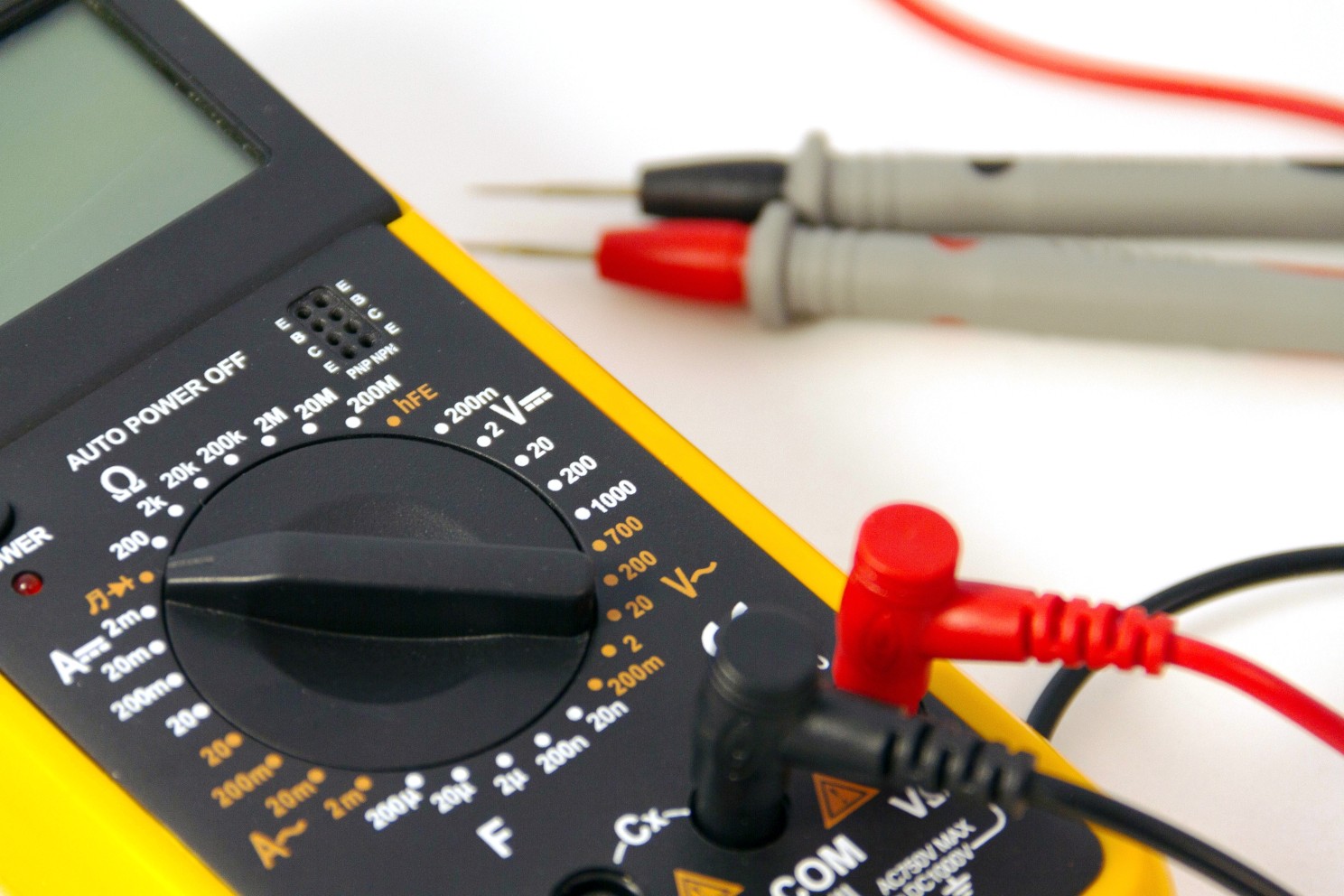
The updated standard recognizes that additional testing, such as testing for the absence of current, may be necessary for certain current-driven circuits. Employers should evaluate systems involving batteries, capacitors, stored energy, induced energy, or other conditions where absence-of-voltage testing alone may not confirm that all electrical hazards have been eliminated.
Greater Attention to Thermal Contact Hazards
Electrical equipment may become hot enough to cause burns even when an arc-flash event does not occur. Electrical risk assessments should consider potential contact with hot electrical components and determine whether additional protective measures, including thermal hand protection, are necessary.
Updated Arc-Flash Risk Assessment Information
The NFPA 70E 2027 update includes clarifications related to arc flash risk assessments, including additional consideration of certain direct current (DC) equipment operating below 600 volts.
The standard also recognizes that some electrical equipment may include manufacturer-provided incident-energy information. This information may support an arc-flash evaluation when it accurately represents the installed equipment and operating conditions. Manufacturer information should not automatically replace a facility-specific evaluation without confirming that it applies to the equipment configuration and work being performed.
Manufacturer information should not automatically replace a facility-specific evaluation without confirming that it applies to the equipment configuration and work being performed.
Electrical PPE Requirements
The updated standard places greater emphasis on recognized testing and conformity-assessment processes for certain electrical PPE, and now requires third-party certification or a supplier’s declaration of conformity (SDOC) backed by a registered quality management system and accredited lab testing (existing compliant PPE is grandfathered).
Employers should continue verifying that electrical PPE:
- Is appropriate for the identified electrical hazard
- Meets applicable performance standards
- Is properly inspected, maintained, and stored
- Is replaced when damaged, defective, contaminated, or no longer suitable
The release of the new edition does not mean that all existing arc-rated clothing or electrical PPE must be replaced. Existing equipment should be evaluated based on its condition, rating, compliance, and suitability for the identified hazards.
Expanded Requirements for Batteries and Stored Energy
Battery systems may present hazards beyond electric shock and arc flash. These hazards will depend on the technology and application
Hazards may include:
- High short-circuit energy
- Thermal hazards
- Chemical exposure
- Fire or explosion
- Flammable or toxic gases
- Thermal runaway
The updated standard provides additional guidance for evaluating battery-related hazards and includes new requirements addressing electrical double-layer capacitors, also known as supercapacitors or ultracapacitors.
Employers should ensure that procedures address stored electrical energy and confirm that hazardous energy has been safely discharged before work begins.
New Guidance for DC and Photovoltaic Systems
Among the changes in the NFPA 70E 2027 update are new requirements addressing direct-current (DC) electrical hazards and photovoltaic (PV) systems.
DC systems are increasingly common in battery installations, energy-storage systems, renewable-energy equipment, electric-vehicle systems, and industrial applications. These systems may require different hazard assessments, testing methods, work practices, and protective measures than traditional alternating-current systems.
PV systems also present unique concerns because solar panels may continue producing electrical energy when exposed to light. The standard now mandates detailed risk assessments prior to any physical connector manipulation and requires verification of zero load current before attempting to disconnect PV circuits.
Organizations that own, operate, install, inspect, or maintain these systems should review existing procedures to ensure these hazards are properly addressed.
What Should Employers Do?
Employers should review their electrical safety programs and determine which changes apply to their operations.
Key actions may include:
- Reviewing Energized Electrical Work Permit procedures
- Updating electrical safety policies and training materials
- Evaluating emergency-response requirements for energized work
- Reviewing procedures for batteries, DC systems, photovoltaic systems, capacitors, and stored energy
- Confirming that electrical PPE remains appropriate and compliant
- Evaluating thermal contact hazards
- Reviewing electrical procedures for outdated NFPA 70E section references
The release of the 2027 edition does not automatically require employers to repeat all arc-flash studies, replace electrical labels, purchase new PPE, or retrain every employee immediately. Existing programs, studies, labels, PPE, and training should be reviewed to determine whether updates are necessary.
Existing programs, studies, labels, PPE, and training should be reviewed to determine whether updates are necessary.
Navigating the NFPA 70E 2027 Updates
The 2027 edition of NFPA 70E reflects changes in electrical technology and provides updated practices for protecting employees from electrical hazards. For many organizations, the appropriate first step is a documented review of the existing electrical safety program, work practices, training, risk assessments, PPE, and emergency-response procedures. Organizations using batteries, DC equipment, photovoltaic systems, or other energy-storage technologies may require additional evaluation.
As organizations work to implement the latest NFPA 70E requirements, Cardinal Compliance Consultants partners with employers to evaluate existing electrical safety programs and implement applicable updates. Our team provides technical expertise in arc flash risk assessments, electrical PPE evaluations, energized electrical work procedures, written electrical safety program development and revisions, equipment labeling, and employee training. If your organization is reviewing its electrical safety program or preparing to implement the NFPA 70E 2027 updates, contact Cardinal Compliance Consultants to discuss how we can help support your compliance efforts.
from Cardinal Compliance Consultants https://cardinalhs.net/blog/nfpa-70e-2027-updates/
via Cardinal Compliance Consultants

Comments
Post a Comment